
Introduction – Why Vehicle Batteries Are Evolving
In the modern automotive industry, starting batteries are no longer just responsible for igniting engines. They directly affect vehicle efficiency, performance, environmental impact, and overall cost of ownership. For decades, traditional lead-acid batteries have dominated the market, but their limitations are becoming increasingly apparent. They are heavy, bulky, require regular maintenance, and have slow charging times.
In response to these challenges, lithium starting batteries (Lithium Starting Battery) are emerging as a preferred alternative. This innovative technology not only delivers more efficient starting power but also maintains reliable performance under extreme conditions, extends battery lifespan, and reduces total cost of ownership. From automakers and motorcycle enthusiasts to boat owners and recreational vehicle users, more people are recognizing the advantages and future potential of this technology.
What Are Lithium Starting Batteries?
Definition and Basic Components
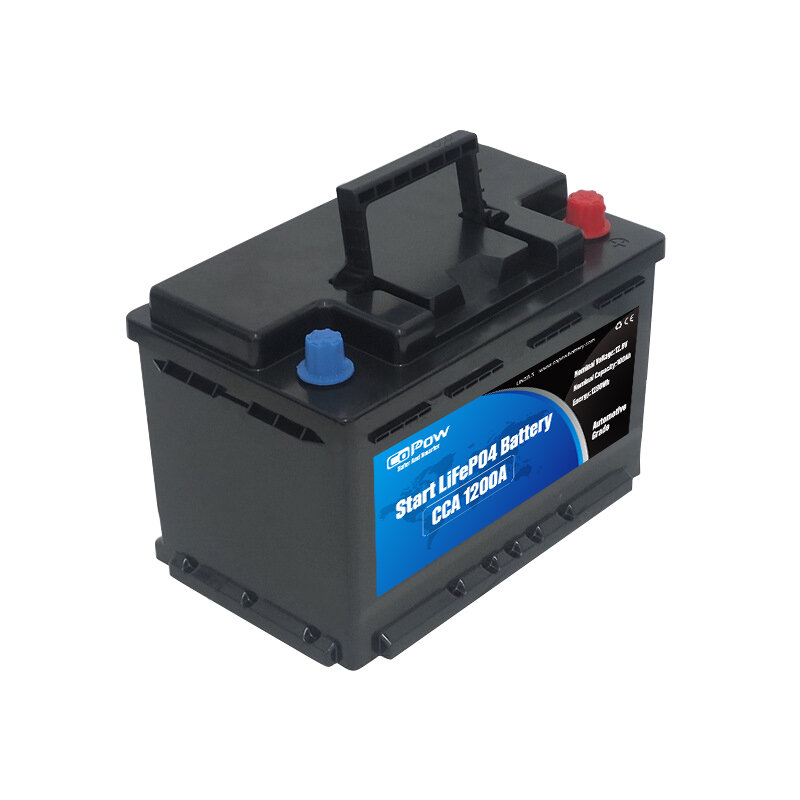
A lithium starting battery (Lithium Starting Battery) is a rechargeable battery specifically designed for vehicle engine starting. Unlike conventional lead-acid batteries, it uses lithium-ion cells to store and release energy efficiently. Advanced battery management systems (BMS) monitor voltage, current, temperature, and battery status in real time, ensuring safe and stable operation under various conditions.
In addition, lithium starting batteries often feature modular designs for easy installation and replacement, compatible with a wide range of vehicle models and power systems. This design improves performance and provides a strong foundation for the development of electric and hybrid vehicles.
Key Advantages
- Lightweight and Compact
Lithium batteries are typically 50%–70% lighter than lead-acid batteries and take up less space. This reduces overall vehicle weight, improves fuel efficiency, and extends EV range. For racing cars, sports cars, and lightweight motorcycles, this advantage is particularly significant. - Fast Charging and Instant Top-Up
Compared to lead-acid batteries, lithium starting batteries can recharge quickly and allow top-up charging at any time without affecting lifespan. This is extremely useful for vehicles that require frequent starts or high-duty cycles. - Extended Lifespan and Low Maintenance
Lithium starting batteries can last three to five times longer than lead-acid batteries, reducing replacement costs and maintenance work. Users do not need to add water or check electrolyte levels regularly, saving time and effort. - Reliable Performance in Extreme Conditions
Lithium batteries maintain stable starting power in both high and low temperatures. Whether in freezing winter or scorching desert heat, they provide reliable energy for engine start. - Environmentally Friendly
Lithium batteries contain no acid, produce no harmful runoff, and are easier to recycle, making them an ideal choice for environmentally conscious drivers.
Lithium vs Lead-Acid: A Comprehensive Comparison
Weight and Space Efficiency
Lead-acid batteries are heavy and occupy significant engine compartment space. Lithium starting batteries are compact and lightweight, freeing up space for other components or additional battery modules. For electric vehicles, weight reduction directly improves energy efficiency and range.
Charging Speed and Maintenance
Lead-acid batteries typically require 8–12 hours for a full charge, while lithium batteries can recharge in 1–3 hours. Combined with maintenance-free operation, lithium batteries greatly improve user convenience, especially for commercial vehicles, taxis, or logistics vehicles with frequent start-stop cycles.
Lifespan and Total Cost of Ownership
Although lithium starting batteries have a higher initial cost, their longer lifespan and lower maintenance requirements significantly reduce total cost of ownership (TCO). A single lithium battery can replace three to four lead-acid batteries over its life, making it the more economical choice in the long term.
Environmental Impact
Lead-acid batteries generate acidic waste that is difficult to handle, potentially causing environmental pollution. Lithium batteries are cleaner, producing no hazardous runoff, and are easier to recycle, reducing environmental burden and supporting sustainable practices.
Applications of Lithium Starting Batteries
Automotive Vehicles
From compact cars to SUVs and sports cars, lithium starting batteries provide reliable engine starts while reducing vehicle weight, enhancing efficiency and driving experience. In electric and hybrid vehicles, this lightweight advantage is crucial for extending range and improving battery efficiency.
Motorcycles and Powersports
Motorcycles, ATVs, and snowmobiles benefit from the lightweight and high-power nature of lithium batteries, improving performance and handling. Fast-start capability and low-temperature reliability make them ideal for extreme environments.
Marine and Recreational Vehicles
Boats, yachts, and other recreational vehicles require consistent starting power, especially in marine environments. Lithium starting batteries perform reliably in high humidity and salty conditions, ensuring smooth engine starts every time.
Emerging Electric Vehicles
Electric vehicles, hybrid cars, and small EVs increasingly adopt lithium starting batteries due to their compatibility with modern battery management systems and lightweight design. They provide reliable performance while supporting energy efficiency and vehicle electrification.
Commercial and Industrial Vehicles
Vehicles such as logistics trucks, taxis, and construction equipment benefit from lithium batteries’ rapid charging and long lifespan, reducing downtime and improving operational efficiency.
The Future Outlook for Lithium Starting Batteries
Market Trends
With the rapid global electrification of vehicles, the demand for lithium starting batteries is growing rapidly. Industry research predicts double-digit growth in the coming five years, especially in electric vehicles, commercial fleets, and recreational vehicles.
Technological Innovations
Advances in lithium chemistry, battery cell technology, and BMS are increasing energy density, safety, and reliability. Future batteries will likely be even lighter, smaller, and smarter, meeting the demands of more vehicle types.
Regulations and Standards
As global safety and environmental regulations tighten, lithium batteries increasingly meet stringent compliance standards such as UL, CE, and RoHS, providing both policy and technical support for broader adoption.
How to Choose the Right Lithium Starting Battery?
Selecting a suitable lithium starting battery requires careful consideration of:
- Capacity and Voltage – Ensure compatibility with the vehicle engine and sufficient starting current.
- Compatibility – Check dimensions and connectors to fit the intended vehicle.
- Safety Certifications – Choose products meeting international safety standards.
- Brand and Support – A reliable Lithium Starting Battery manufacturer like COPOW provides mature solutions and after-sales support, ensuring stable long-term use.
By selecting wisely, users can achieve optimal performance, maximum lifespan, and minimal maintenance costs.
Conclusion
The future of vehicle starting batteries is increasingly moving toward lithium technology. With advantages like lightweight design, fast charging, long lifespan, low maintenance, and environmental friendliness, lithium starting batteries are becoming the preferred choice for modern vehicles. For businesses or vehicle owners seeking high performance and reliability, trusted Lithium Starting Battery manufacturer like COPOW offer products that meet the needs of a wide range of vehicles. Embracing lithium technology is a step toward a more efficient, eco-friendly, and sustainable future for your vehicles.