
What if a puzzle did not just sit on a table but actually moved, clicked, and whirred in your hands? That is the magic of mechanical model kits and metal model puzzles, two next-level DIY hobbies that combine creativity with engineering. They are not just about building something; they are about bringing it to life, piece by piece, gear by gear. Whether you are a hobbyist, a tech enthusiast, or simply curious about hands-on projects, these kits offer a truly immersive experience that is hard to match.
What Are Mechanical Model Kits and Metal Model Puzzles?
So, what exactly are we talking about? Mechanical model kits are buildable creations that move. Think of gear-driven cars, walking robots, or spinning machines. You assemble them, and the result is not just decorative; it is functional. On the other hand, metal model puzzles focus on the assembly challenge itself. Made from durable metal sheets, they form intricate three-dimensional structures, from tiny animals to complex vehicles, snapping or bending into place with satisfying precision.
The overlap is clear. Both require hands-on problem-solving and a bit of engineering thinking. The difference is subtle but noticeable. Mechanical model kit emphasizes motion and mechanics, while metal model puzzles highlight precise assembly and structural elegance.
Why These DIY Kits Are Gaining Popularity
There is a reason these kits are trending. In a world glued to screens, people crave screen-free entertainment that engages both the mind and the hands. They are part of a broader rise in creative hobbies, from crafting to miniature modeling, that offer a sense of accomplishment. Completing a model, watching it moves, or simply seeing it take shape provides a unique kind of satisfaction you just do not get from buying something pre-made.
These kits are perfect for hobbyists looking for a mindful escape. The rhythmic clicking of pieces, the careful alignment of gears, and the visual progress all combine to make a modern, rewarding pastime.
Key Features That Make Them Unique
What sets mechanical model kits and metal model puzzles apart?
-
Metal construction: sturdy, premium, and often surprisingly detailed
-
Mechanical movement: gears, levers, and other functional elements bring life to your build.
-
Intricate design: a balance of art and engineering where aesthetics and mechanics coexist
It is less about the product itself and more about the experience of creation, an engaging journey from flat pieces to a living model.
Benefits of Mechanical Model Kits and Metal Model Puzzles
Beyond fun, these kits offer real benefits:
-
Improved focus and patience: following instructions and aligning pieces demands attention.
-
Enhanced problem solving: figuring out the sequence or troubleshooting a tricky mechanism sharpens the mind.
-
Boosted creativity: many kits inspire you to customize or even invent your designs.
-
Stress relief: mindful building is a quiet, absorbing activity that can calm the mind.
They are educational without feeling like a lesson, just hands-on satisfaction that sticks with you.
Types You Can Explore
There is a kit for nearly every taste:
-
Mechanical creatures and animals: from walking spiders to fluttering birds.
-
Flying or fantasy-inspired machines: intricate airplanes, dragons, or imaginative contraptions.
-
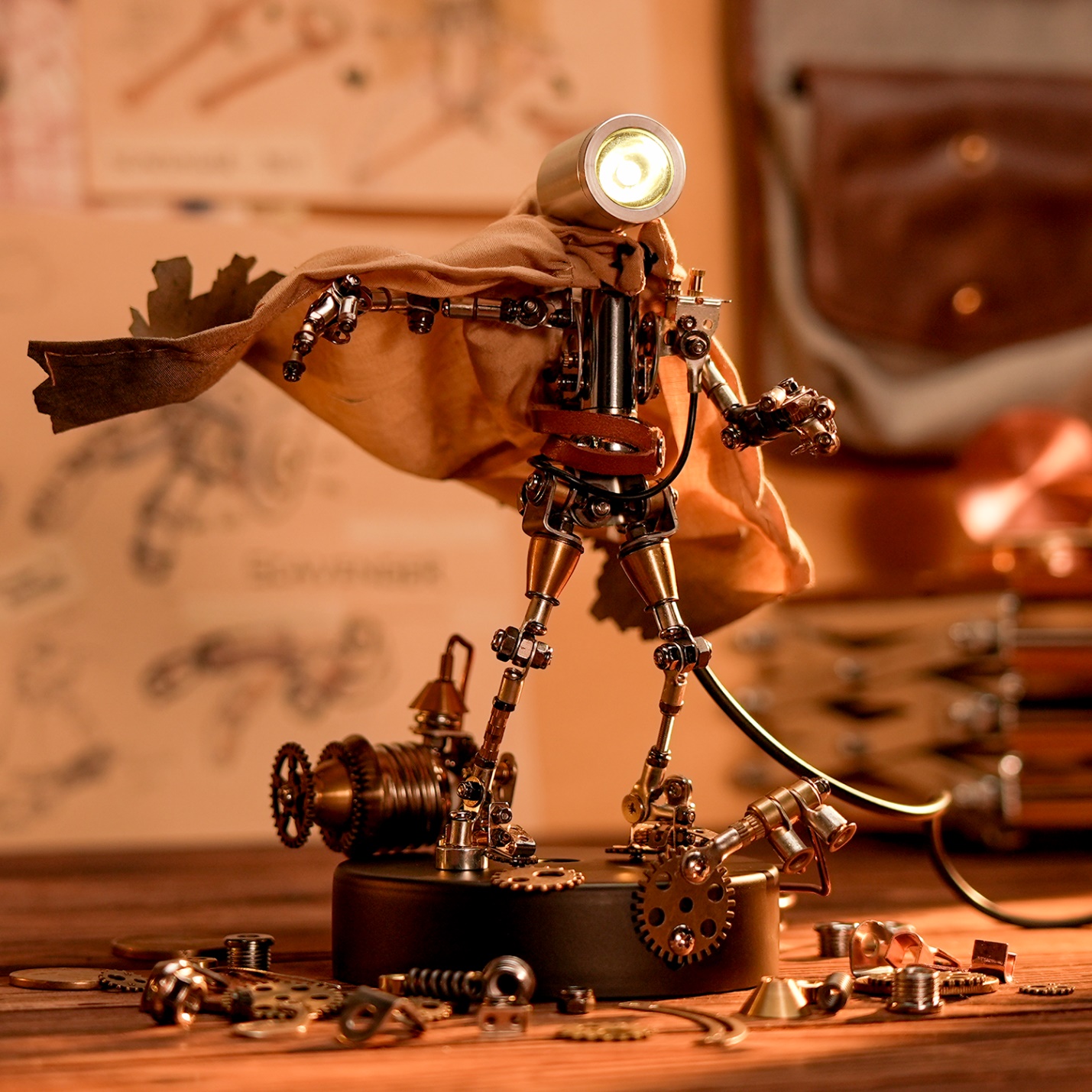
Industrial or steampunk-style builds: gears, pistons, and retro-futuristic designs for a mechanical aesthetic.
Whatever you choose, the challenge and satisfaction of assembling it are universal.
Things to Consider Before Choosing One
Before diving in, think about a few practical points:
-
Skill level: Some kits are beginner-friendly; others demand patience and precision.
-
Time commitment: builds can range from a couple of hours to several days.
-
Tools required: Some kits are tool-free, while others need pliers or screwdrivers.
-
Instruction clarity: well-designed guides make a huge difference in enjoyment.
Keeping these in mind ensures your project stays fun and frustration-free.
Who Are These Kits Perfect For
These kits are not just toys; they are thoughtful tools for engagement:
-
DIY hobbyists seeking a new hands-on challenge.
-
Engineering and tech enthusiasts who appreciate gears, mechanisms, and structural design
-
Gift buyers looking for a unique, interactive present.
A kit can be a solitary project or a shared activity, making it versatile for any context.
Conclusion
Whether you call them mechanical model kits or metal model puzzles, these creations are more than just models. They offer a blend of creativity, challenge, and long-lasting satisfaction. Each build is a mini achievement, a moving piece of art you crafted with your own hands. So next time you are looking for a hobby that is engaging, rewarding, and fun, pick up a kit and start building. You are not just making a model; you are engineering your imagination.