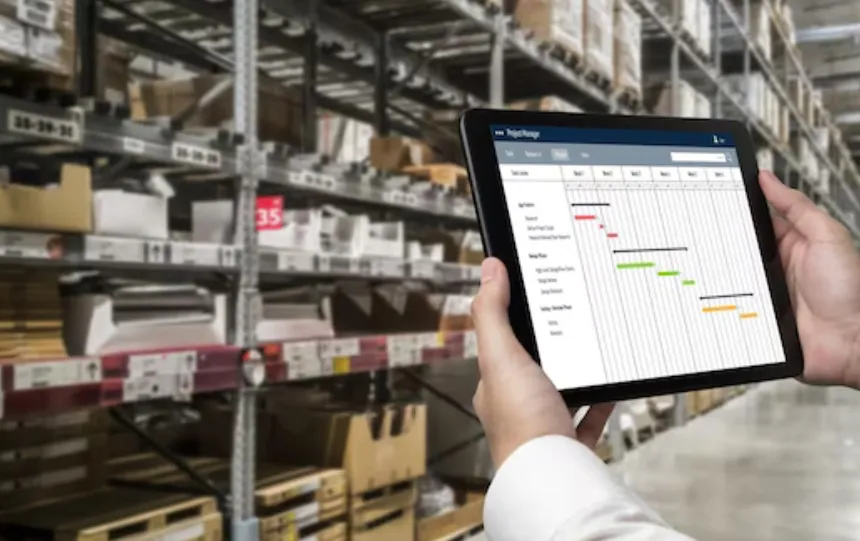

Manufacturing is undergoing a rapid transformation and precision is increasingly assuming a significant role in manufacturing. As factories become more automated, they start using robotics and utilize data for production, precision measuring tools that will be of reliable service are becoming increasingly necessary. Each part, no matter how small, needs to be of superior quality and meet strict tolerances to ensure that the product is manufactured at a high quality and has minimal manufacturing errors. By 2026, it will be standard for factory lines to deploy smart scale systems, rather than an extra treat.
While traditional inspection methods remain useful, connected systems are an important tool in modern industries for providing real-time information. The instruments currently used in industry measure distance and are also optimized to enhance the efficiency of the production processes, facilitate predictive maintenance and enable better production decision-making.
Why Smart Measurement Matters in Modern Manufacturing
Today’s manufacturing industry is far removed from the days of manual inspection. The companies have to deliver products in a shorter time with a high degree of accuracy. It’s hard to maintain this balance without sophisticated measuring instruments that can be relied upon to give reliable results each time.
Clever check systems stop team slips since they grab and file your main logs without manual work, using smooth web links. Manual entry of measurements is no longer necessary, saving operators time and money and therefore increasing the traceability in the process. Production teams can quickly pinpoint problems when inspection data is readily available before they turn into expensive defects.
The introduction of Industry 4.0 principles continues to be embraced by manufacturers: Measurement equipment is no longer just a standalone device, but it is actively playing a role in intelligent production environments.
Emerging Features in Precision Measuring Tools
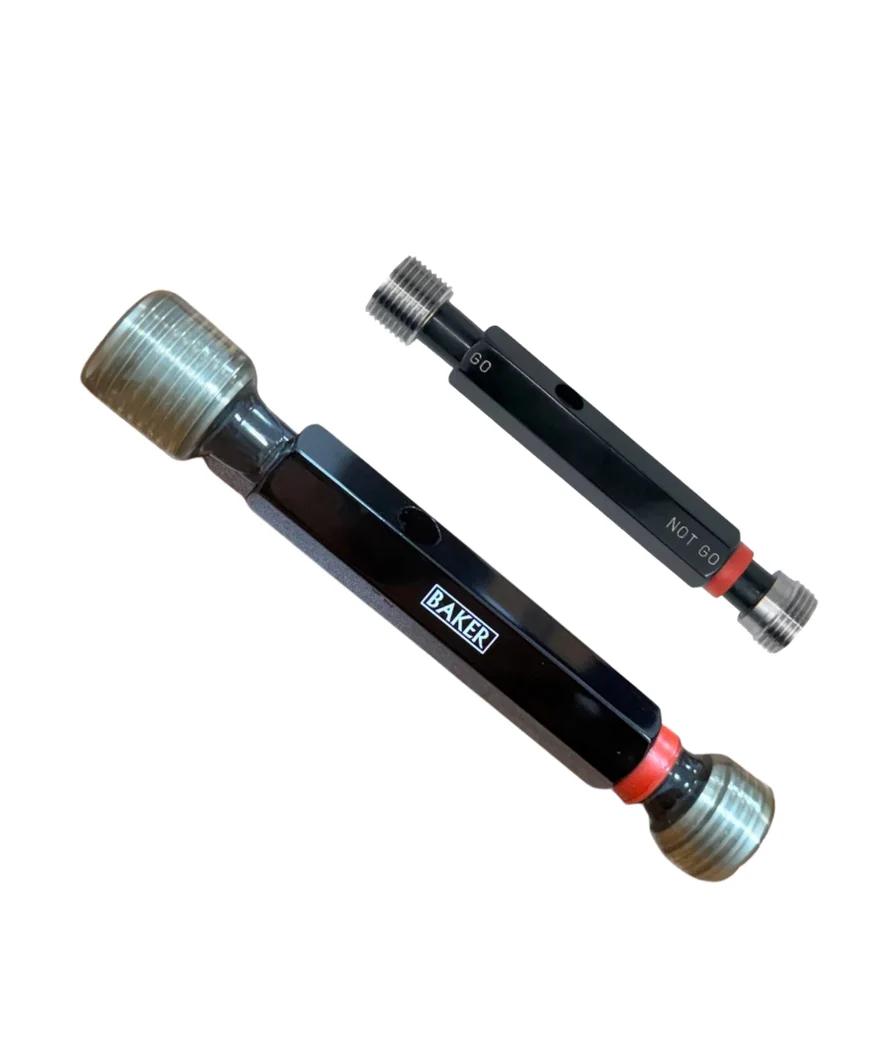
Speed, connectivity and usability are integral to the next generation of baker precision measuring tools. Digital technology has enabled the addition of features that make the inspection easier and more consistent between production lines.
Some of the more profound changes are:
- Wireless data transfer to computers and quality management systems.
- Digital displays for faster reading and reduced interpretation errors.
- Automatic measurement recording for improved documentation.
- Integration with production software for real-time monitoring.
- Enhanced battery life and durable construction for industrial environments.
These enhancements will enable inspection teams to focus more on analyzing results than manually gathering data.
The Growing Role of Industrial Measuring Instruments
The use of different industrial measuring instruments in modern manufacturing varies according to the application. Every instrument has a specific function and purpose – and a corresponding accuracy gain to the final product from machining centers to quality control laboratories.
Many other tools are used to keep dimensions accurate, such as digital calipers, micrometers, height gauges, bore gauges, dial indicators and coordinate measuring equipment. Many of these are now fitted with smart technology that not only makes inspections quicker but more reliable too, as technology improves.
In addition, manufacturers enjoy better calibration management. When systems are connected, they can alert users when it’s time for calibration to ensure that they remain compliant with quality standards and reduce downtime.
Data-Driven Manufacturing Depends on Accurate Measurements
Many factories have a tremendous amount of production data on a daily basis. This information, however, is only useful if the measurements are accurate. A good measuring instrument will deliver reliable information, which will enable process improvement and/or informed decision-making.
Engineers can look at the trend of the measurements and determine if there are any common production problems that could arise and cause the finished product to be defective. Manufacturers can make changes in the manufacturing process itself as opposed to reacting after the production is done.
This being a proactive measure helps to minimize material waste, cut production costs, and enhance customer satisfaction by providing products that are always within tolerance.
Choosing the Right Measuring Equipment for Future Operations
The purchase of modern measurement equipment needs to be carefully considered. Every industry has its own need and the choice of solution is dependent upon production processes, tolerances and levels of inspection.
Some of the major factors taken into account by manufacturers when evaluating precision measuring tools include accuracy, durability, calibration ease, digital connectivity, compatibility with current systems and long-term maintenance needs. Equipment that will facilitate the evolution of manufacturing environments will offer a more valuable benefit in the long run.
Likewise, choosing the appropriate Industrial measuring instruments also requires knowledge of the present and future expansion plans. It’s important to invest in equipment that can evolve to meet new production technologies to keep pace with the competition over time.
Supporting Quality Control Through Smart Technology
Quality control is now more advanced than the inspection of finished products. Manufacturers are more likely to check the quality at each stage of manufacturing, so that quality issues can be identified sooner.
Smart measuring instruments are part of this process, providing instant information throughout the machining, assembly and final inspection process. Operators get accurate measurements in no time and can take corrective action if necessary.
It is a continuous monitoring that contributes to the stability of the processes and minimises the risks of rework and/or scrap of parts. It also includes internationally recognized quality management practices, which many manufacturers adopt.
Preparing for the Future of Industrial Measurement
Intelligent systems, which are able to cooperate across all phases of manufacturing, will play a key role in the future of manufacturing. The evolution of measurement technology will keep progressing with the developments of automation, Artificial Intelligence, and Digital manufacturing platforms.
Investments in state-of-the-art precision measuring equipment now help companies be more efficient tomorrow. Similarly, the use of new industrial measuring tools can help organisations develop reliable inspection systems, which can effectively meet the growing production needs without compromising measurement accuracy.
Technology has evolved, but the goal is always the same – to get the product right and consistent, using accurate measurement. Irrespective of the development of manufacturing technologies, reliable measuring tools will always be at the center of this goal.
Conclusion
Smart measurement technology is poised to define the future of manufacturing that blends precision, connectivity, and data-driven decision-making. Earning the benefits of modern precision measuring, relying on reliable industrial measuring instruments and using advanced measuring tools are the best approaches businesses can take to enhance their production efficiency, reduce losses, and improve quality in the increasingly competitive industrial market. tsaifuddin.com is a great source for precision measurement and engineering equipment for organizations interested in professional measurement solutions and interested in the latest industrial technologies.