

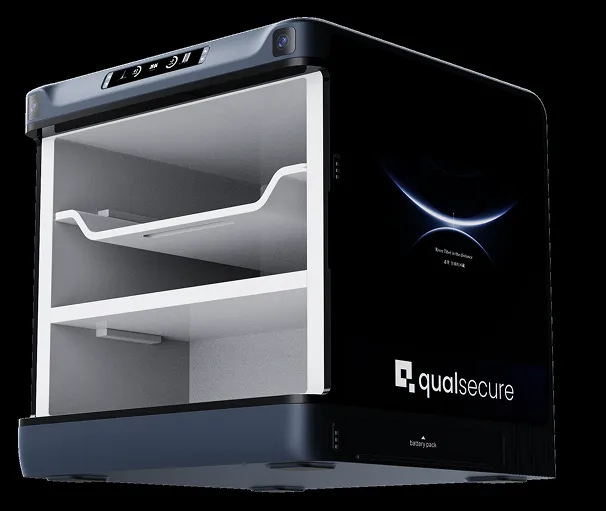
India’s food delivery market has expanded rapidly over the last few years, creating new opportunities for restaurants, cloud kitchens, and food service operators. Along with this growth comes a greater focus on food safety, hygiene, and quality control. Restaurants are expected to maintain food standards not only during preparation but also throughout the delivery process. As businesses work to meet these expectations, many are exploring solutions such as the Temperature regulated Smart Delivery Box to help maintain food quality and support safer food transportation.
The Growing Importance of Food Safety in Delivery
Food safety has become a major concern for both consumers and businesses. Customers expect meals to arrive fresh, hygienic, and in the same condition they were prepared. At the same time, restaurants must protect their reputation by ensuring consistent quality.
Delivery creates challenges that do not exist inside a restaurant kitchen. Food may travel long distances, encounter varying weather conditions, or experience delays due to traffic. These factors can affect temperature, freshness and overall product quality.
As online food ordering continues to grow, maintaining food safety throughout the delivery journey has become an increasingly important part of restaurant operations.
Understanding the Role of FSSAI Compliance
The Food Safety and Standards Authority of India (FSSAI) plays an important role in promoting food safety across the country. Its guidelines encourage businesses to follow proper food handling, storage, transportation, and hygiene practices.
While FSSAI does not mandate specific delivery technologies, compliance requirements encourage restaurants to evaluate how food is transported after it leaves the kitchen.
Businesses are increasingly focusing on:
-
Safe food handling procedures
-
Hygienic transportation practices
-
Product quality preservation
-
Risk reduction during delivery
-
Customer safety and satisfaction
These priorities are encouraging restaurants to adopt more advanced delivery solutions that support food quality and consistency.
Why Temperature Management Matters
Temperature is one of the most important factors affecting food quality during transportation. Hot meals, cold beverages, desserts, and frozen products all require appropriate conditions to maintain their intended quality.
Without proper temperature management, restaurants may experience:
-
Reduced food freshness
-
Changes in taste and texture
-
Increased customer complaints
-
Higher replacement costs
-
Potential food waste
As delivery volumes increase, maintaining consistent temperatures becomes more difficult using traditional delivery methods alone.
For restaurants that rely heavily on delivery sales, protecting food quality during transit is becoming a business necessity rather than an operational preference.
Smart Delivery Solutions Are Gaining Attention
To address these challenges, many food businesses are exploring advanced delivery technologies designed to support better temperature management.
Modern delivery systems can help:
-
Preserve food quality for longer periods
-
Improve delivery consistency
-
Reduce product spoilage
-
Enhance customer experiences
-
Support operational efficiency
These benefits are particularly valuable for restaurants handling high delivery volumes or serving multiple food categories with different temperature requirements.
As customer expectations continue to rise, businesses are increasingly viewing delivery infrastructure as an important part of overall food quality management.
Hygiene Is Becoming a Competitive Advantage
Temperature control is only one aspect of food safety. Hygiene during transportation is also receiving greater attention from restaurants and delivery providers.
Innovations such as Food Delivery Box Plasma Ionizer Hygiene technology are being introduced as businesses seek additional ways to support cleaner delivery environments. While food safety begins in the kitchen, maintaining hygiene throughout transportation can help strengthen customer confidence and reinforce quality standards.
Restaurants that prioritize both temperature management and hygiene often position themselves more effectively in an increasingly competitive marketplace.
Consumer Expectations Continue to Rise
Today’s consumers expect more than fast delivery. They want reassurance that food has been handled safely and delivered under appropriate conditions.
Factors that influence customer trust include:
-
Packaging quality
-
Delivery hygiene
-
Food freshness
-
Temperature consistency
-
Brand reliability
Restaurants that invest in improving these areas are often better positioned to build customer loyalty and generate positive reviews.
As food delivery becomes a larger part of the dining experience, businesses must focus on maintaining quality from preparation to delivery.
Conclusion
The rapid growth of food delivery in India has increased the importance of food safety and quality management beyond the kitchen. While FSSAI compliance encourages businesses to follow responsible food handling and transportation practices, customer expectations are also driving change. Solutions that support temperature control and hygiene during delivery can help restaurants protect food quality, improve customer satisfaction, and strengthen operational standards. As the industry continues to evolve, smarter delivery systems are likely to play an increasingly important role in helping restaurants meet both business and consumer expectations.


