

Introduction
As digital assets become more valuable and widely adopted, securing them has moved from a technical concern to a financial necessity. High-profile exchange failures, phishing attacks, and malware incidents have demonstrated a simple truth: online and software-based storage methods are no longer sufficient for protecting valuable digital assets.
This growing risk has accelerated the adoption of hardware crypto wallets, particularly those built on smartcard technology. Smartcards bring decades of proven security from banking, government IDs, and enterprise authentication into the world of digital asset storage. In doing so, they are shaping the future of secure, user-controlled asset protection.
The Growing Need for Secure Asset Storage
Digital assets—whether cryptocurrencies, tokenized securities, or private cryptographic keys—are fundamentally different from traditional assets. Ownership is defined entirely by control of private keys. If those keys are lost or stolen, assets are irreversibly compromised.
Common storage risks include:
- Malware and keyloggers on personal devices
- Phishing attacks targeting wallet credentials
- Exchange hacks and custodial failures
- Cloud backups exposing sensitive data
These threats have pushed both individuals and institutions toward offline, hardware-based storage models, often referred to as cold storage.
What Is a Hardware Crypto Wallet?
A hardware crypto wallet is a physical device designed to store private keys in a secure, offline environment. Unlike software wallets, hardware wallets ensure that cryptographic keys never leave the device or touch internet-connected systems.
Key characteristics include:
- Offline key generation and storage
- On-device transaction signing
- Physical user confirmation
- Protection against malware and remote attacks
Why Smartcards Are Central to the Future of Security
Smartcards are not a new technology. They have been used for decades in:
- Banking and payment systems
- Government identification programs
- Secure enterprise authentication
- SIM cards and mobile security
Their long history is built on tamper-resistant hardware, secure elements, and standardized cryptographic protocols—the same properties required for protecting digital assets.
When applied to hardware wallets, smartcards introduce an additional layer of resilience that traditional USB-only devices often lack.
Smartcard-Based Asset Storage Explained
A smartcard-based hardware wallet stores cryptographic keys inside a secure element, a specialized chip designed to resist both physical and logical attacks. All sensitive operations—such as key generation and transaction signing—occur within this protected environment.
Key benefits of smartcard storage include:
- Strong resistance to physical tampering
- Isolation of private keys from host devices
- Long-term durability and reliability
- Compatibility with established security standards
This approach significantly reduces the attack surface compared to software or browser-based wallets.
Dual-Interface Smartcards: The Next Evolution
One of the most important developments in smartcard-based wallets is the dual-interface design, which supports both contact (USB) and contactless (NFC) communication.
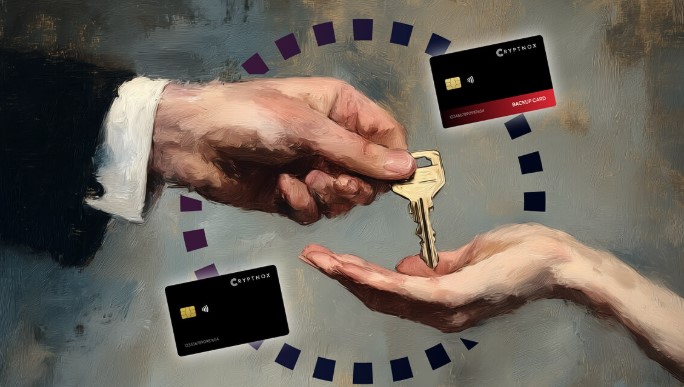
A Hardware Wallet – Dual Card Set allows users to securely interact with their assets across multiple environments without compromising safety:
Why Dual-Interface Matters
- Flexibility: Works with desktops, laptops, and mobile devices
- Convenience: Secure tap-to-use NFC functionality
- Security: Same hardware-backed protection across interfaces
- Longevity: Reduced wear compared to USB-only devices
This design reflects how users actually manage assets today—across multiple devices and platforms.
Smartcards vs Software Wallets
| Feature | Software Wallet | Smartcard Hardware Wallet |
| Internet exposure | High | None |
| Malware resistance | Low | Very high |
| Key extraction risk | Possible | Extremely limited |
| Physical control | No | Yes |
| Long-term security | Weak | Strong |
While software wallets may be suitable for small balances or daily transactions, they are not designed for long-term asset protection.
Institutional and Enterprise Implications
Smartcard-based storage is not just for individual users. Institutions managing digital assets face additional requirements:
- Compliance with security frameworks
- Controlled access and auditability
- Protection against insider threats
- Long-term key custody
Smartcards align well with enterprise security models because they mirror technologies already trusted in regulated environments. This makes them particularly suitable for custody solutions, treasury management, and institutional asset storage.
Reducing Risk in a Decentralized World
Decentralization removes intermediaries—but it also removes safety nets. Smartcard-based hardware wallets restore balance by giving users full control without sacrificing security.
They protect against:
- Exchange insolvency
- Platform shutdowns
- Account freezes
- Third-party custody risks
By keeping private keys offline and under the user’s control, smartcards enable true ownership of digital assets.
The Future of Secure Asset Storage
As digital assets continue to mature, secure storage will increasingly rely on:
- Hardware-backed security
- Offline key management
- Smartcard and secure-element technologies
- Multi-interface usability
Smartcards are uniquely positioned to meet these requirements. Their proven track record, combined with modern hardware wallet design, makes them a cornerstone of next-generation asset protection.
Conclusion
The future of secure asset storage will not be defined by convenience alone—it will be defined by trust, resilience, and control. Smartcards bring decades of hardened security into the digital asset ecosystem, providing a foundation that software-based solutions cannot match.
By integrating smartcard technology into hardware crypto wallets, users gain long-term protection against evolving threats while maintaining full ownership of their assets. As adoption grows, smartcards will continue to shape how individuals and institutions safeguard value in a decentralized world.